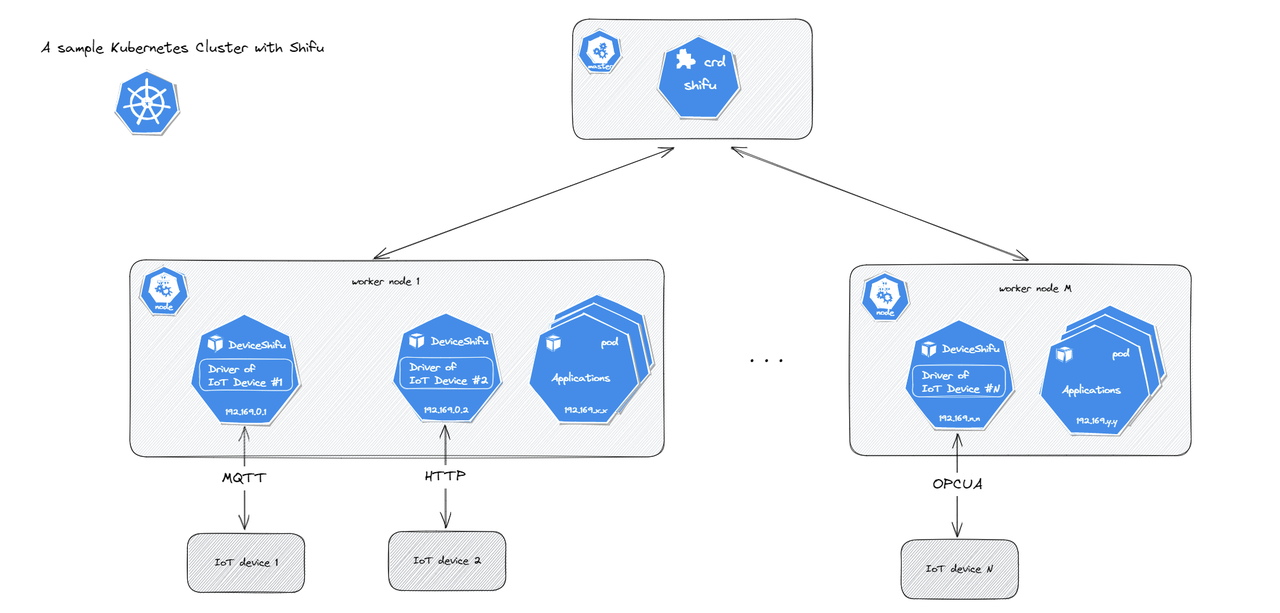




Achieving IoT Interoperability with Shifu—a Kubernetes-native Industrial Edge
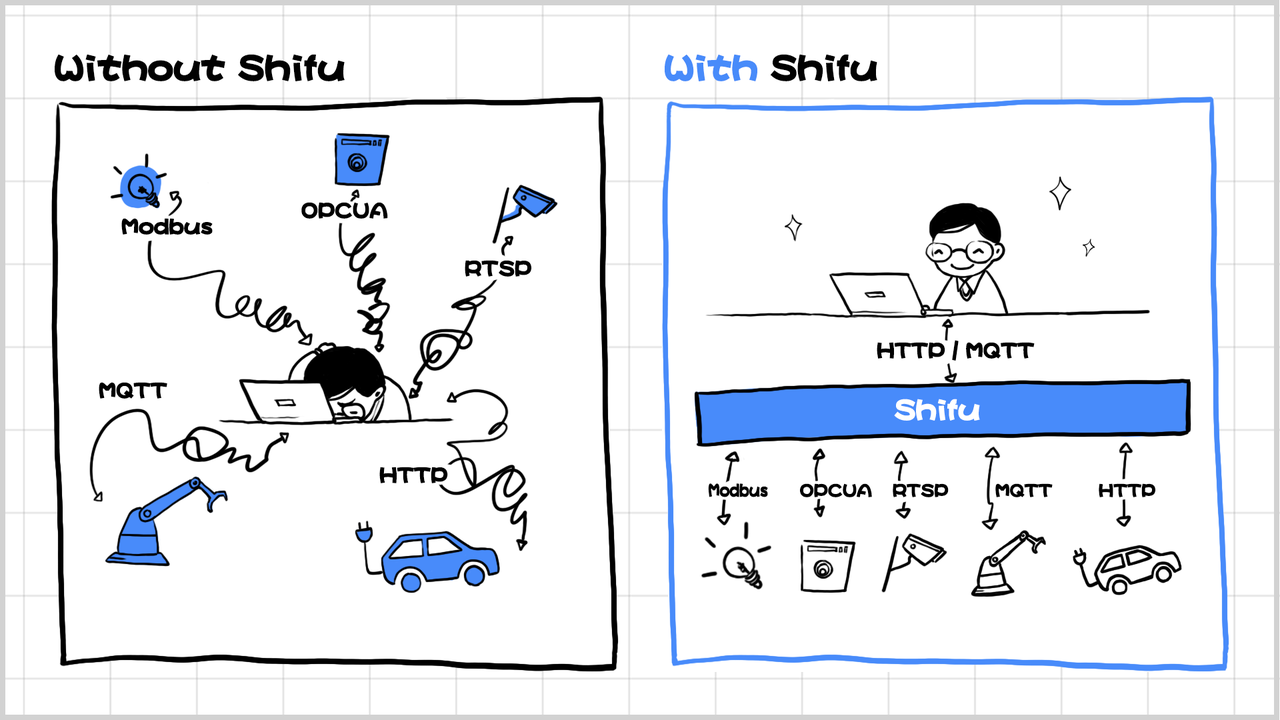
The lack of interoperability between IoT devices and systems has led to the emergence of data silos, known as the "IoT silo," which hinders the ability to leverage the full potential of IoT. This phenomenon is particularly acute in industrial automation, where the use of legacy systems and proprietary protocols has led to an over-reliance on closed solutions that do not integrate with other systems. The IoT silo problem stems from various factors such as different communication protocols, proprietary solutions, data formats and standards, as well as security and privacy concerns. For instance, IoT devices from different manufacturers may use different communication protocols, such as HTTP, MQTT, RTSP, ModBus, OPCUA, which can lead to incompatibility and integration challenges. Moreover, many IoT device manufacturers create their own proprietary solutions and communication standards, making it difficult for devices from different manufacturers to work together. Additionally, IoT devices often use different data formats and standards, which can create challenges in sharing and processing information between devices. Ensuring the security and privacy of data across different devices and networks can also be challenging, as devices may have different security mechanisms and requirements. Therefore, addressing the IoT silo challenge requires innovative solutions that enable true interoperability between devices and systems.
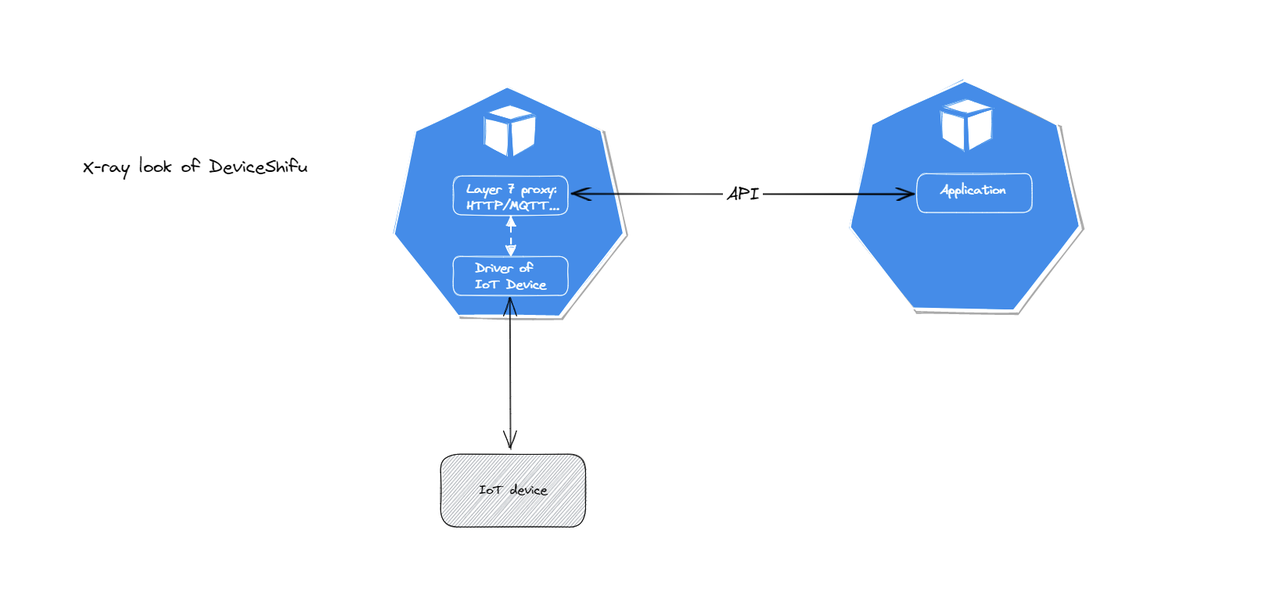
- A layer 7 proxy used for communicating with other services(database, message queue, blob storage...) within the cluster.
- A device driver used for communicating with the associating device.
Below is an architecture diagram showing how DeviceShifu works:
 In Shifu, physical devices are virtualized into Kubernetes-native drivers and their capabilities are standardized into microservice APIs. By doing so, devices from different vendors and with different protocols can be treated as Kubernetes resources, enabling them to be managed and controlled through a unified API. This standardization promotes interoperability among devices because it eliminates the need for custom integrations and reduces the complexity of managing different types of devices. With Kubernetes-native drivers, it's easier to onboard new devices into the system and ensure that they work seamlessly with existing ones, enabling a more open and flexible IoT ecosystem. What's more, by connecting these standardized devices to Kubernetes API services, they can leverage the advanced features of Kubernetes, such as auto-scaling, high availability, and security, to achieve more efficient and reliable IoT solutions. Beyond these immediate benefits, Shifu has the potential to unlock new levels of innovation and flexibility in IoT. By enabling true interoperability between devices and systems, Shifu can facilitate the creation of new services and applications that leverage data from a wide range of IoT devices. In addition, the use of Kubernetes-native drivers and microservices APIs can enable the development of more modular and scalable IoT solutions, allowing organizations to easily adapt to changing business requirements and emerging technologies.